

As a video producer and a content marketer, one of the best ways to understand whether my video is actually “working” is by looking at video engagement graphs. Because without them, I’m mostly guessing.
Video views are great. We love ’em. But view count only tells part of the story. It tells me if people showed up, whether the title, thumbnail, and promotion worked, and if the video reached the right audience.
Views tell me whether the promise of my video is on point. Engagement tells me whether I’m actually delivering on that promise.
If a video racks up thousands of views, but most people only watch a quarter of it? That means they’re missing the message and I’m missing the mark.
Video engagement metrics (video retention on YouTube) show me how people respond to my videos second-by-second—where they drop off, where engagement holds steady, and where they rewatch.
Here are five examples of videos we made at Wistia and what the engagement graphs told us.
Above average engagement: your big swing worked
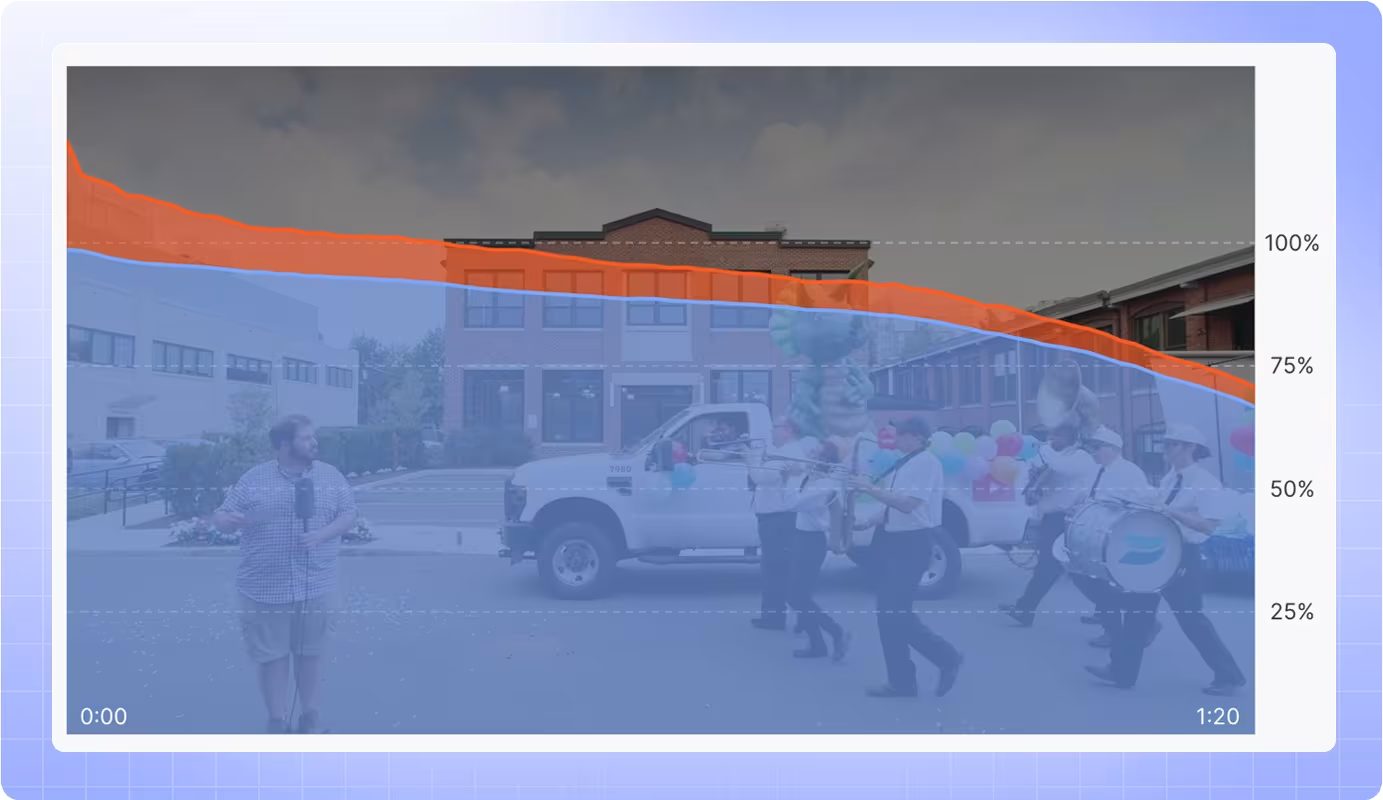
Signal: High, steady engagement across the entire video
What it means: Your concept was a hit
In 2016 we launched our Enterprise Plan and decided to go big for the announcement video with a parade in front of our office.
We knew we had to hook people immediately, and that the parade itself needed to be, well, awesome to keep people engaged. So we went as over-the-top as our 48-person company (at the time) could manage: a one-shot video that let the audience experience the whole thing from the sidewalk. We hired a brass band, got a sweet penguin costume, and went all in on the performance.
We invested a lot in the video so we were pretty excited to see the results.
The engagement graph told us everything we needed to know: our big swing worked. 86% engagement on a ~90 second video is nearly 2x the average based on our industry video engagement benchmarks.
We retained most viewers for the entire video and saw a steady number of rewatches. There was some drop-off toward the end (turns out people don’t love watching penguins struggle to keep up), but that didn’t matter. The message had already landed and we didn’t have an email collector form or CTA at the end.
Takeaway: These results gave us confidence to keep dreaming big, and made it easier to get buy-in when we wanted to try more out-of-the-box ideas in the future.
Above average engagement: what a “great” video actually looks like
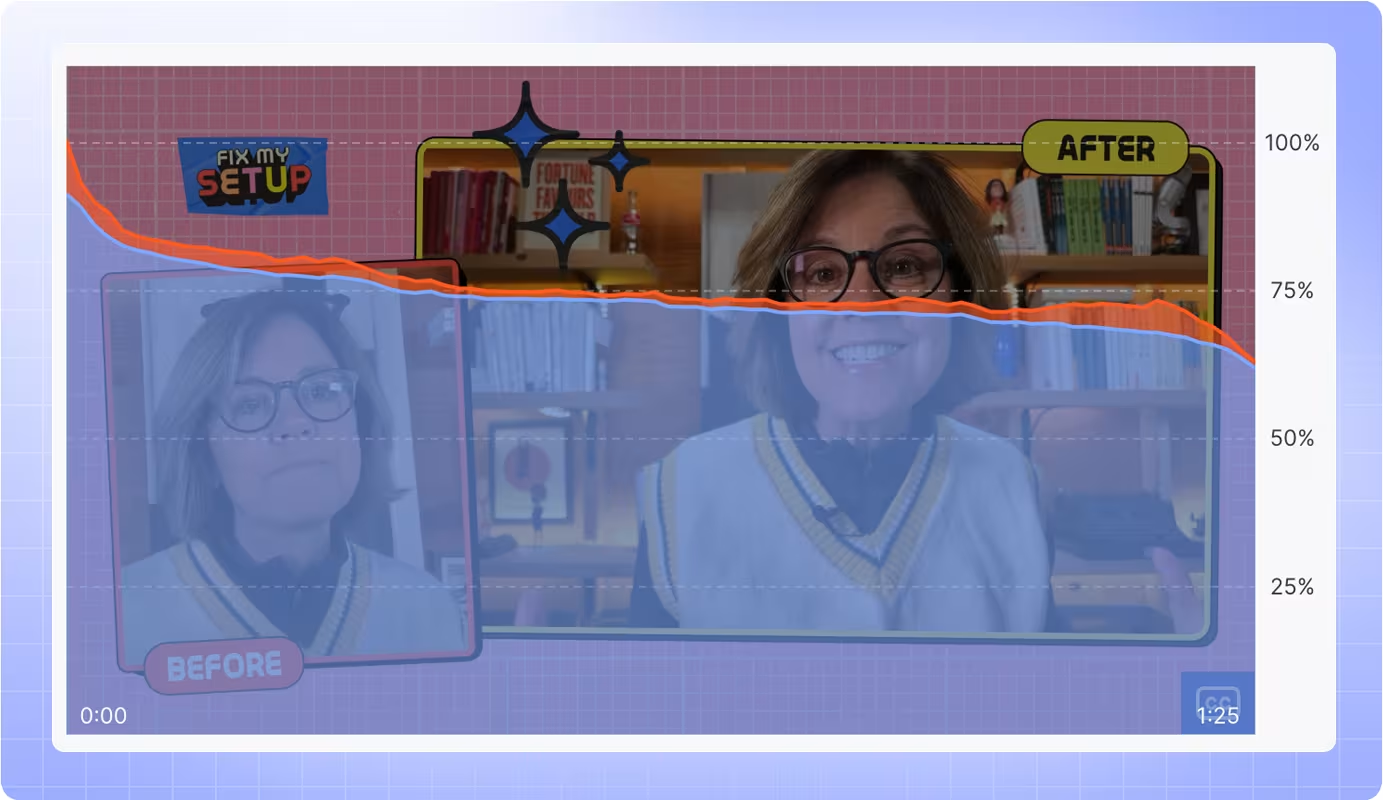
Signal: Small initial drop, then steady engagement throughout
What it means: You’re delivering consistent value
How do I know if my video’s working? Solid, steady engagement from beginning to end. Fewer drop-offs means higher average engagement, which is the clearest signal that my video is doing its job.
Wistia Channels product video
For our first Wistia Channels product video, instead of going the traditional SaaS explainer route, we built out a whole fictional world to show off what Channels could do. Special location, props, a costume, strong storytelling.
The engagement rate came in above average for a ~2-minute video and well above the straight explainers we’d made before.
How-to and tutorial videos
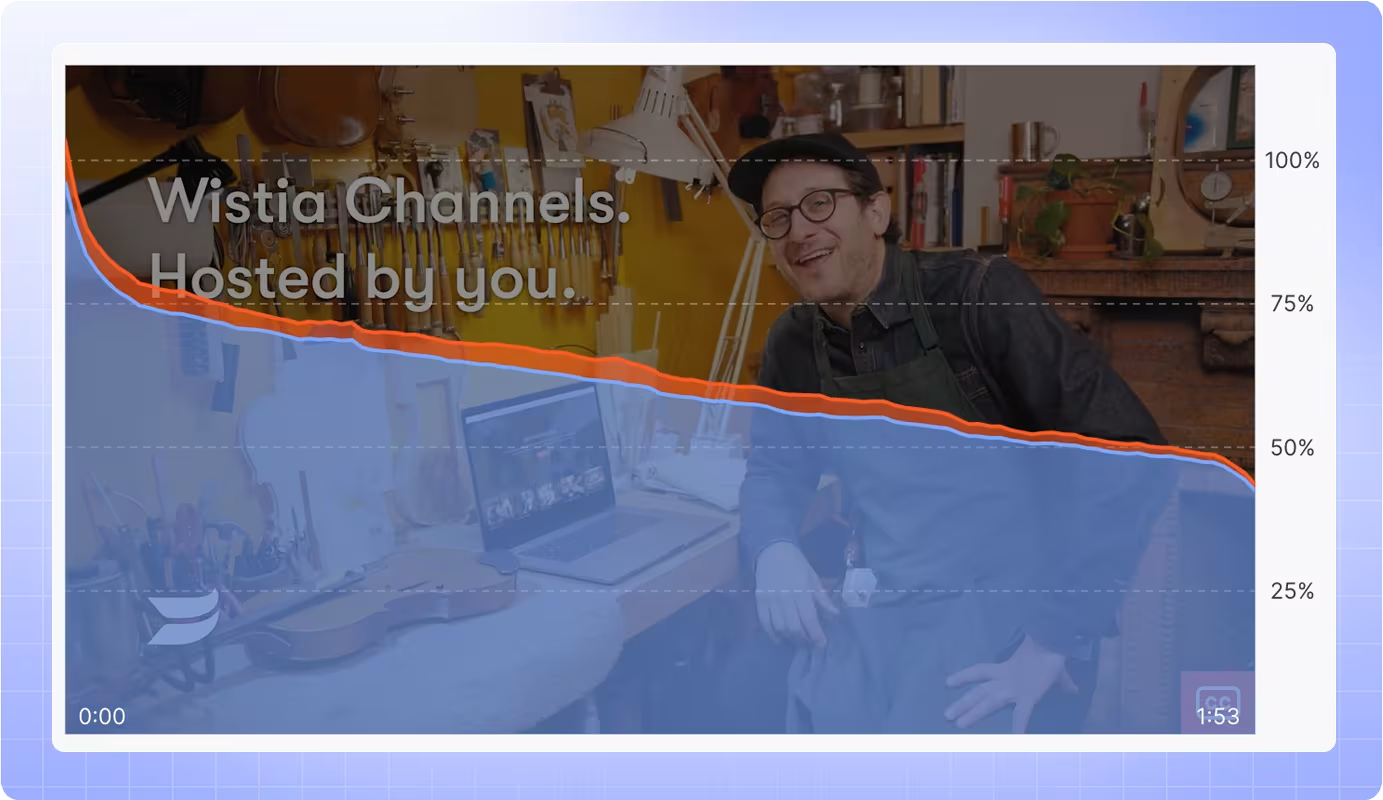
“How-to” content is a big part of what we produce. Engagement graphs for these videos make it easy to see whether the topic and delivery are working at a glance.
For how-to and tutorial content, I look for a similar pattern: a small drop-off at the very start, followed by steady engagement through the core content, with clean rewatch lines.
That’s exactly what we want to see. When I see that shape in our educational videos, I know the topic is resonating and the pacing is working.
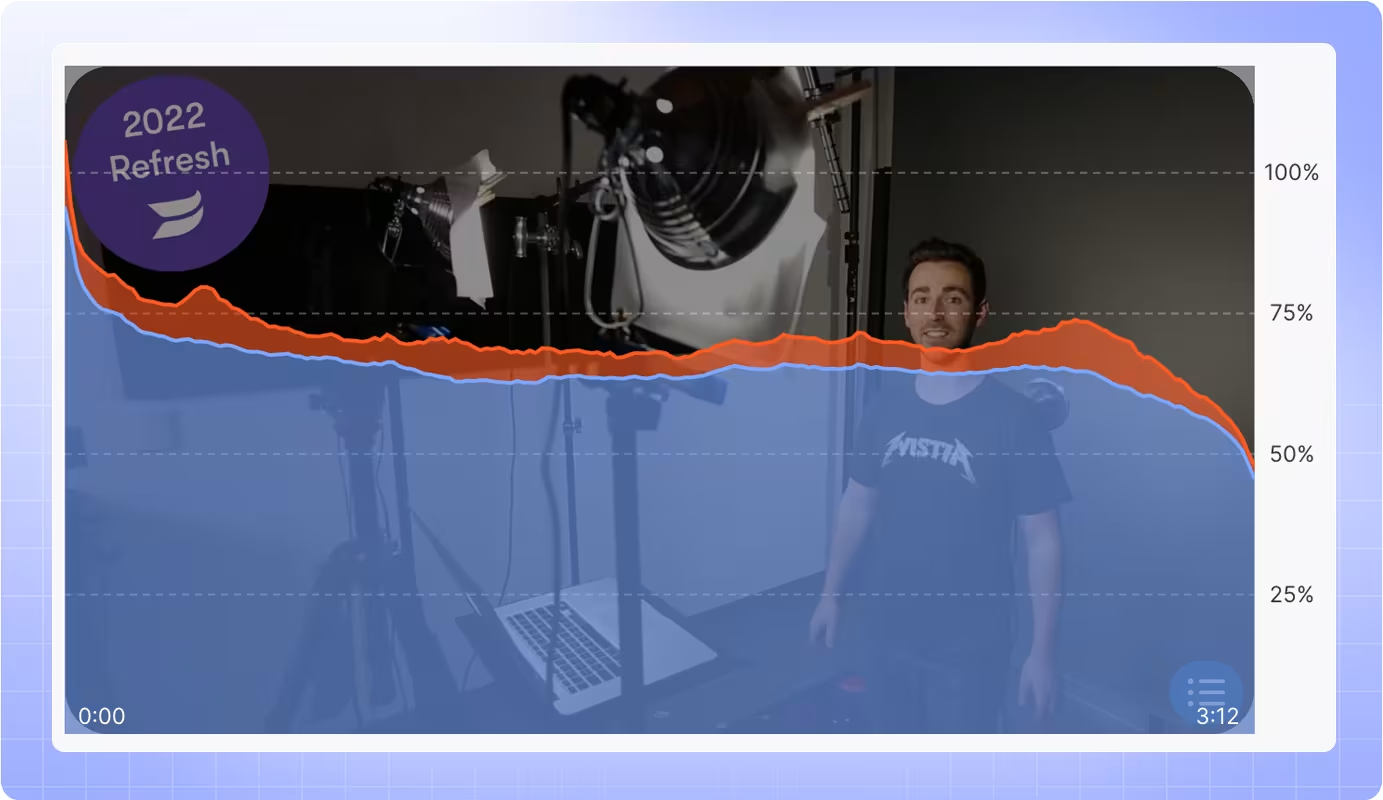
Takeaway: A “great” video doesn’t mean zero drop-off. When you grab attention early and keep delivering value, your engagement graph will tell you that people are getting what they came for.
Engagement spikes: clues for what to make next
Signal: Spikes or rewatch peaks in specific sections
What it means: Your audience wants more of this!
Spikes in engagement graphs are big, juicy signals from your viewers about what they’re interested in.
When I see a specific part of a video get rewatched, I know that’s what my audience really wants to see.
When I see a spike, I look closely at what’s happening in that moment:
- Is it a specific topic?
- A visual?
- A tactical explanation?
When I identify it, I use it as a content brief.
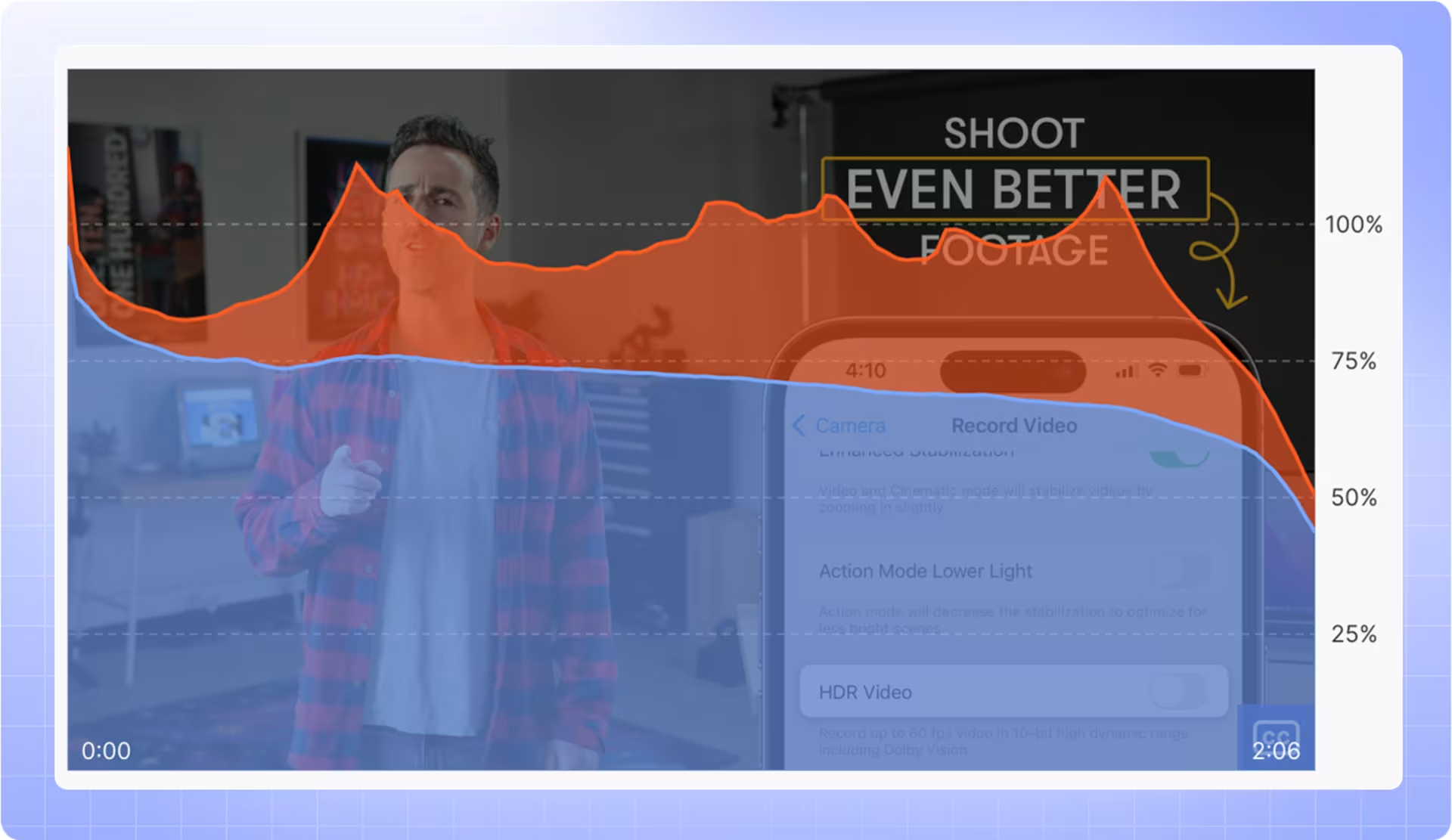
For example, in our video about shooting video with an iPhone, we saw a notable spike around the section covering camera settings.
People were re-watching the exact moment we showed which specific iPhone settings to toggle on and off.
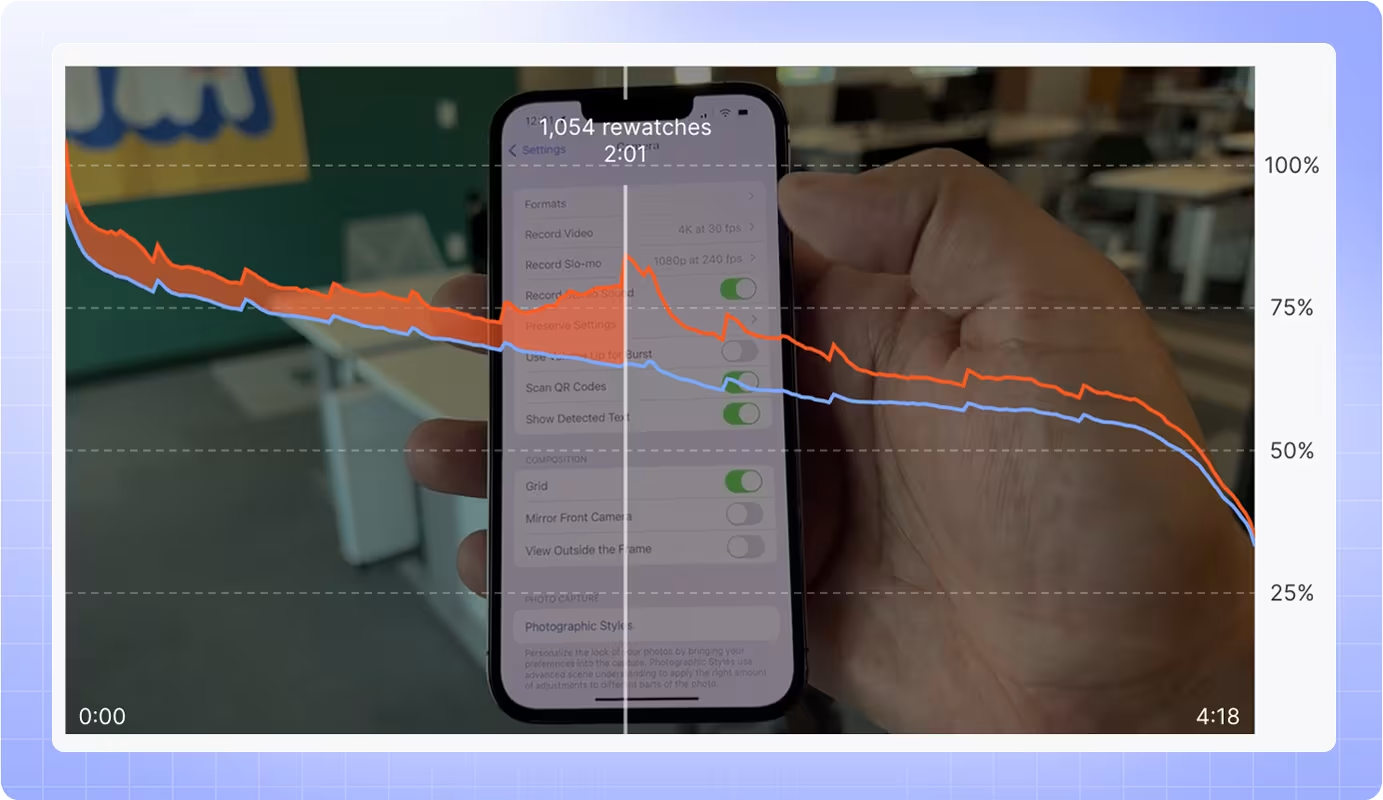
So what did we do? We turned that into its own piece of content about the best iPhone camera settings for video, and made a new video that focused specifically on Phone settings.
The post quickly climbed to a top Google ranking and became our highest-traffic blog article.
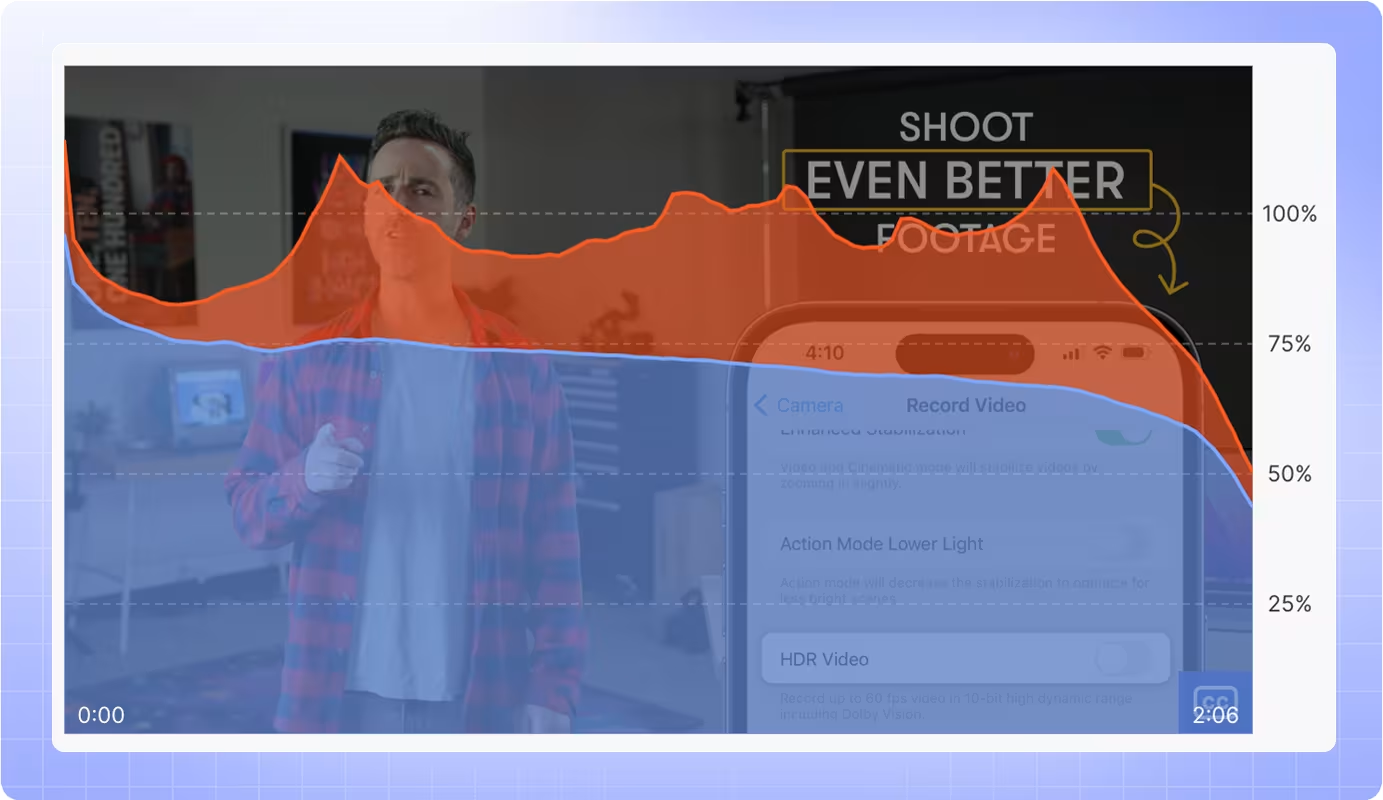
The new video also out-performed the earlier video by a landslide with a huge amount of rewatch activity across the entire video.
Takeaway: Rewatch spikes are a roadmap. If people are rewatching, turn those moments into their own content.
Early drop off: fix your opening
Signal: Big drop in the first 10–15 seconds
What it means: You’re not delivering on the promise fast enough
The beginning of your video is where you’ll typically see the steepest drop, so it’s an important part of your video to get right.
When I see a sharp drop early on, I ask:
- Is the hook clear?
- Am I delivering on the promise fast enough?
- Did I over-explain before getting to the point?
We ran into this with a set of onboarding videos.
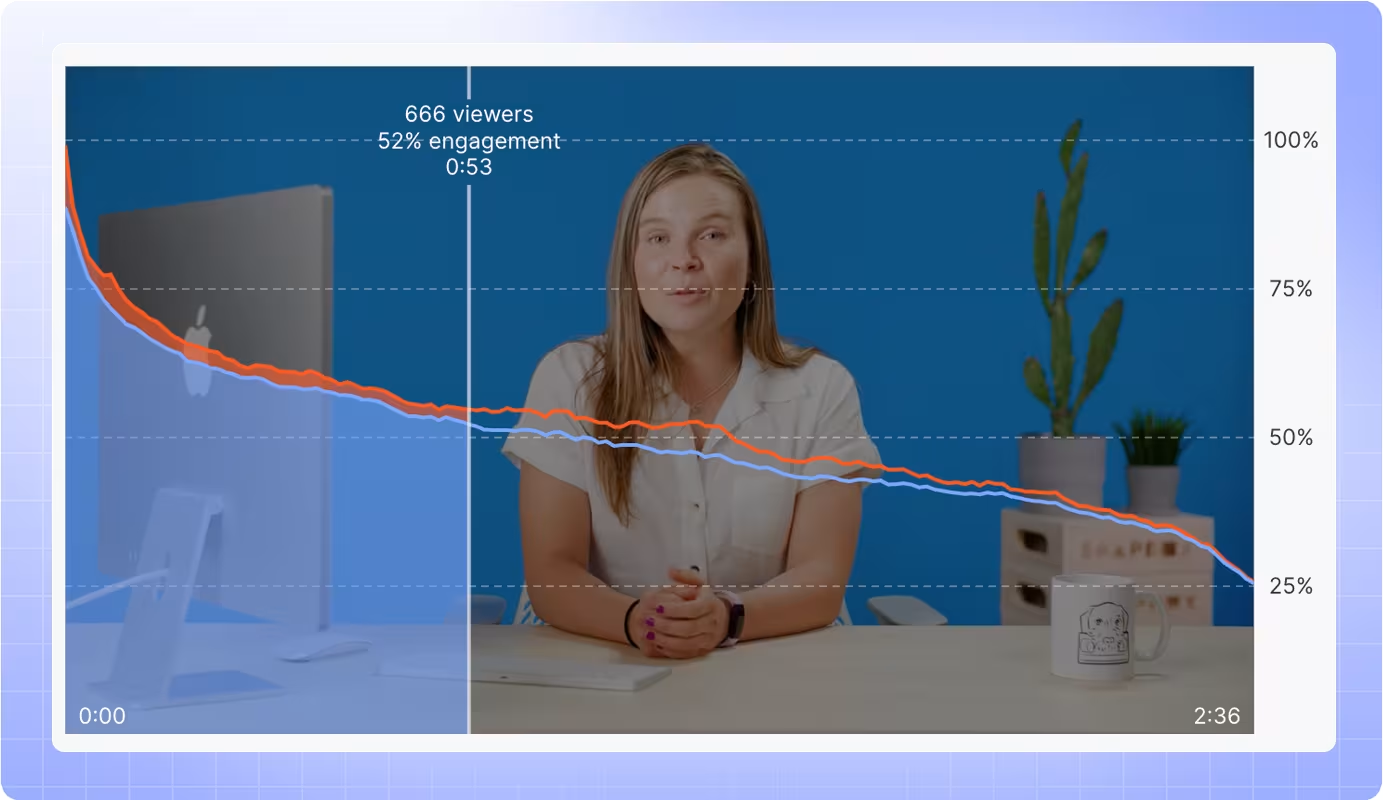
Originally, we opened with a longer setup, explaining the purpose of the series before getting to the point. A whole minute. Not cool! And the audience let us know.
The engagement graph showed a big drop in the first 10–15 seconds, which meant only about half of viewers made it to the actual information we wanted to get across.
We re-edited the video. We cut the long intro and got to the good stuff within the first 10 seconds.
Overall engagement for the video popped up by 5% points, and we cut our initial viewership loss in half.
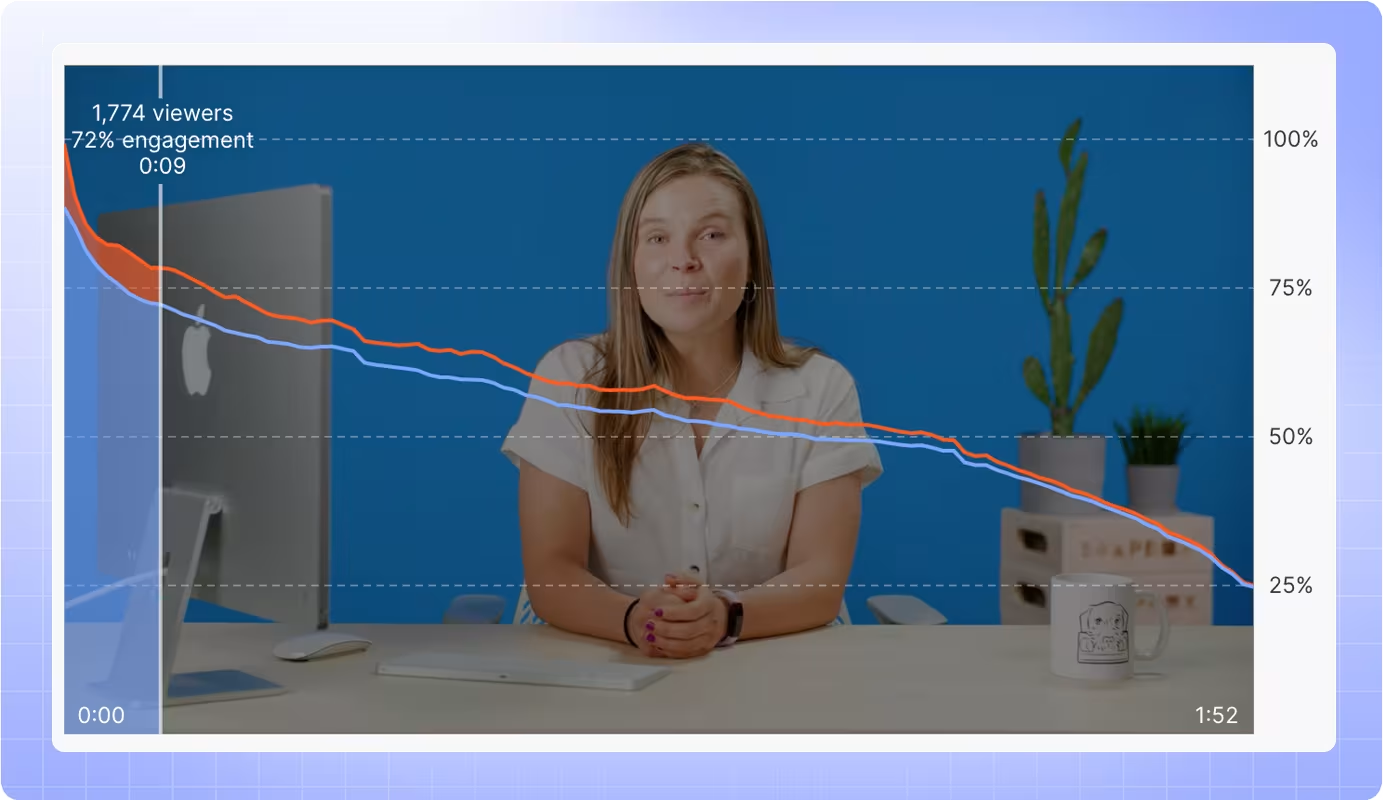
Takeaway: Earn the first 10 seconds. If you don’t, you’ll risk reducing your video’s reach with every second.
Late drop off: don’t summarize or signal the end too soon
Signal: Drop-off before the video actually ends
What it means: You’re inviting viewers to leave
There will be a dip at the end of just about every video you’ll make, but sometimes it starts earlier than it should. If you have key messages, or a lead-gen form at the end of your video, dropping off too soon will translate to fewer people taking action.
I’ve learned that viewers expect every frame to count. The moment your video signals that the good stuff is over, they’re gone. Two things cause this more than anything else:
- Summarizing what they just saw. If you recap everything at the end, expect a drop. That doesn’t mean summaries are useless, but most of the time, if the audience wants to revisit parts of your video, they’ll just rewatch.
- Signing off early. Phrases, like “so there you go!” or “and that’s it!” are viewers’ invitation to leave. They’ll know the end is nigh, and they’ll leave the rest of your video in the dust.
We saw this in an episode of Show Business, where viewers started dropping off with ~40 seconds left in the video. We lingered too long on this wrap-up moment and people missed:
- A preview of the next episode
- A CTA to keep watching
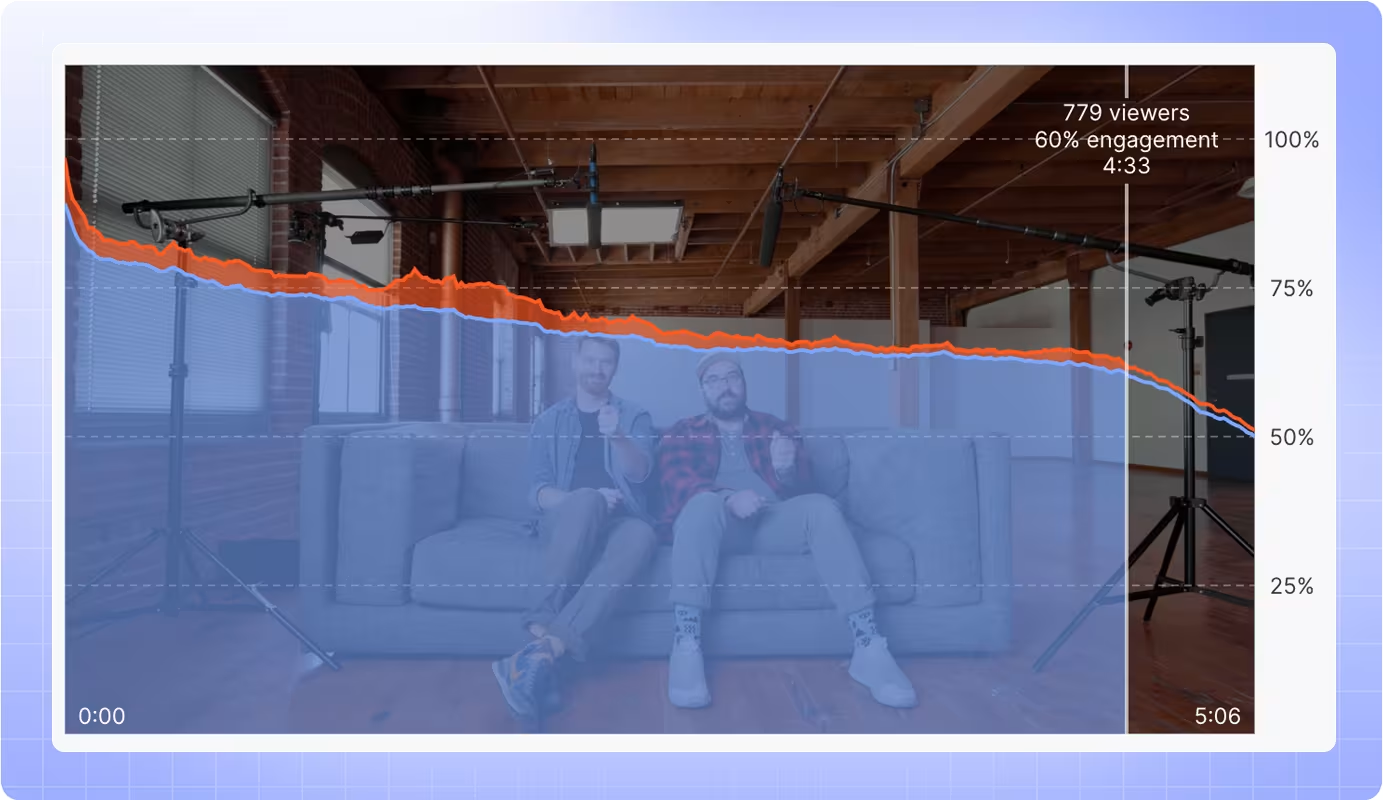
If I were going to re-work this episode, I’d cut the wind-down moment and get straight into setting up the next episode while I still had people’s attention.
Takeaway: Every frame counts, especially towards the end. Don’t signal the finish line until you’re actually there.
How to read your engagement graph (quick cheat sheet)
Your engagement graph is a feedback loop, so use it! It's a creative brief, a research tool, and an edit note all rolled into one. If you see:
- A big drop in the first 10–15 seconds → Your hook isn’t delivering fast enough
- A steady line across the video → You’re holding attention well
- Spikes or rewatches → Turn this into its own piece of content
- Drop before the end or CTA → You’re signaling the end too early
This is exactly the kind of analysis I do using Wistia’s engagement graphs for every video we publish. It helps us get smarter about the next video we’re making.
If you’re not looking at engagement graphs, you’re guessing. The data is right there in your Wistia account. Pull up a few of your recent videos and see what your audiences have been trying to tell you.
Understanding audience retention
How to evaluate the strengths and weaknesses of your video by breaking down its analytics
Let’s go →